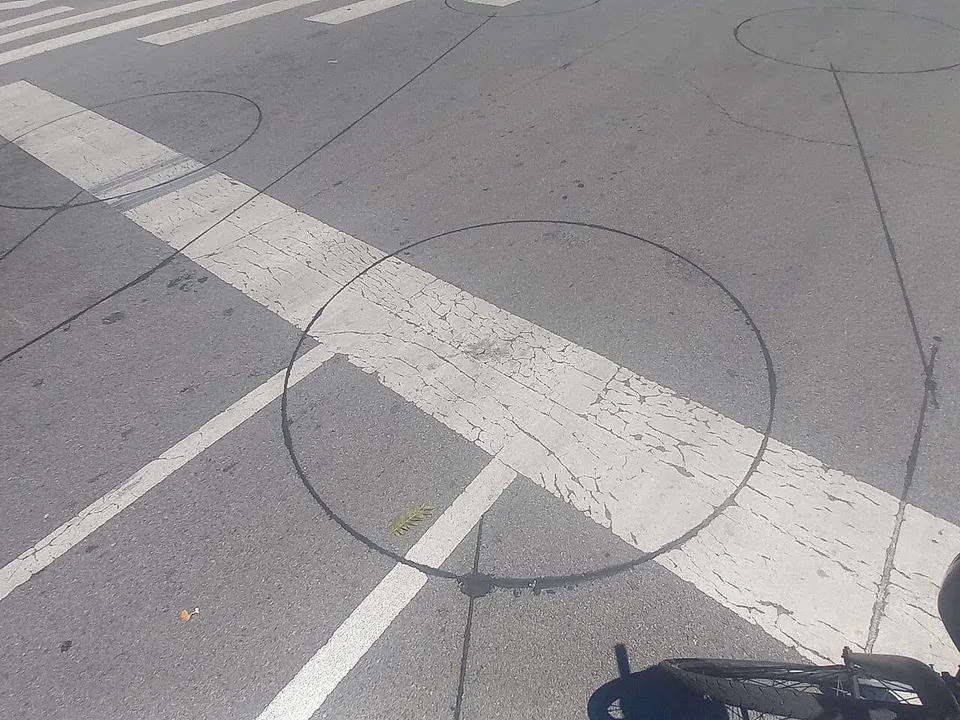
Vehicle loop detector
In-ground sensor that detects a car under the barrier
Inductive loop detector installed in the pavement so the barrier won't lower onto a car, and can open on its own for exiting cars. Quotes on WhatsApp.
Get a quote on WhatsAppNo published prices: every project is different. Message us on WhatsApp with what you need and we will send you a quote.
Ideal for
- Gated community barriers
- Paid parking lots
- Automatic exits
- Company gates
Description
A loop detector is a wire laid inside a groove cut into the asphalt or concrete, forming a rectangle under the lane. It connects to a detector that senses the metal mass of a vehicle above it. It's the most widely used safety accessory for barriers, because as long as the car is over the loop, the arm won't come down.
It's also used for automation: a loop before the exit barrier can open it automatically when a car pulls up, and a loop after the barrier makes it close as soon as the vehicle has passed, instead of waiting a fixed time. In paid parking, the loop tells the system there's a car in front of the ticket dispenser.
Installation means cutting the pavement, laying the wire and sealing the groove, so it's best done with the lane closed for a few hours. We check the type of pavement and whether there's rebar or piping nearby that could affect detection. It detects vehicles, not people: for pedestrians, a photocell is used.
Features
- Inductive wire in a sealed groove in the pavement
- Detector with adjustable sensitivity
- Keeps the barrier from lowering onto a vehicle
- Automatic opening on exit or closing after the car passes
- Works in asphalt or concrete
The service includes
- Pavement cutting and sealing
- Wire and detector installation
- Sensitivity adjustment
Frequently asked questions
Does the loop detect motorcycles and people?
It reliably detects cars and trucks; small motorcycles depend on the sensitivity setting. It doesn't detect people; that's what the photocell is for.
Do you have to break up the pavement?
We make a thin saw cut in the asphalt or concrete and then seal it. There's no need to tear up the pavement.
Photo credits
- 1: AlphaBeta135, CC BY 4.0, via Wikimedia Commons
Reference photos of the product type; the model we install may vary with your project.