Barriers
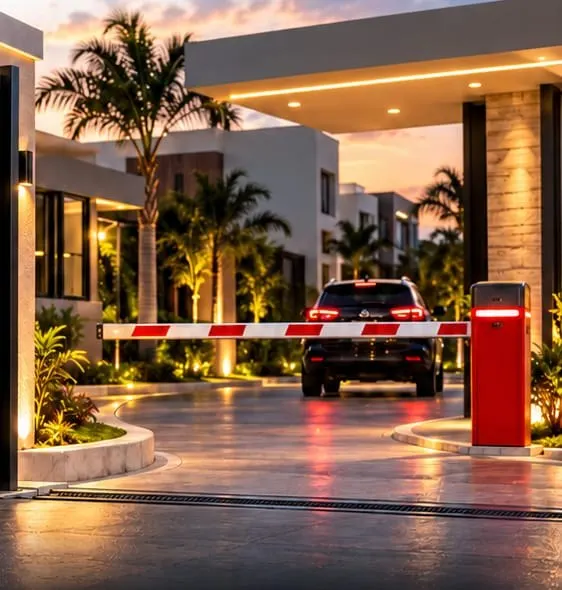
Boom barrier for gated communities
Automatic barrier for gated community and tower entrances
Get a quoteWe install vehicle barriers in the Dominican Republic for gated communities, towers, parking lots and companies, with remotes, windshield tags, cards and vehicle detection.
Barriers
Automatic barrier for gated community and tower entrances
Get a quoteBarriers
Continuous-duty barrier for plazas, parking lots and companies
Get a quoteBarriers
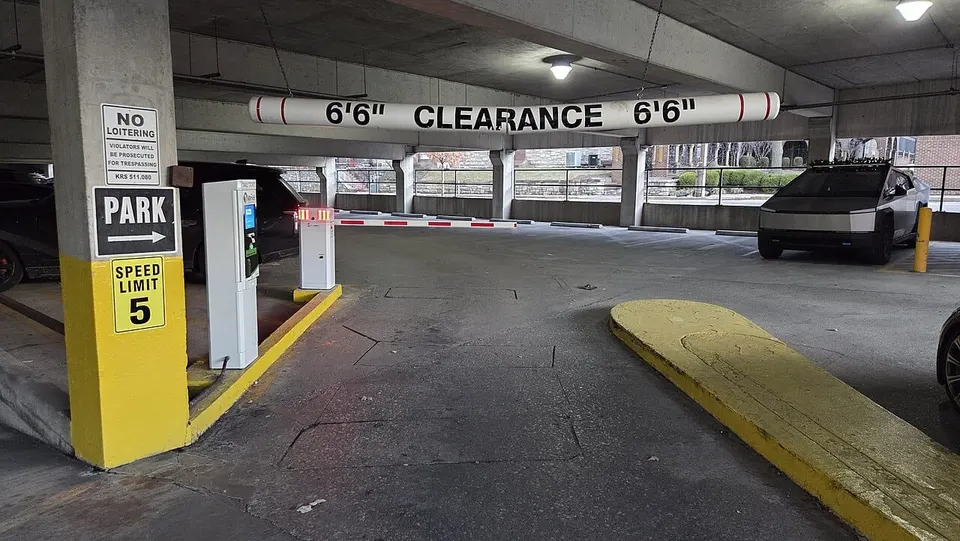
Barrier with a hinged arm for low ceilings and underground parking
Get a quoteBarriers
Long-range reader with an adhesive windshield tag
Get a quoteGate openers
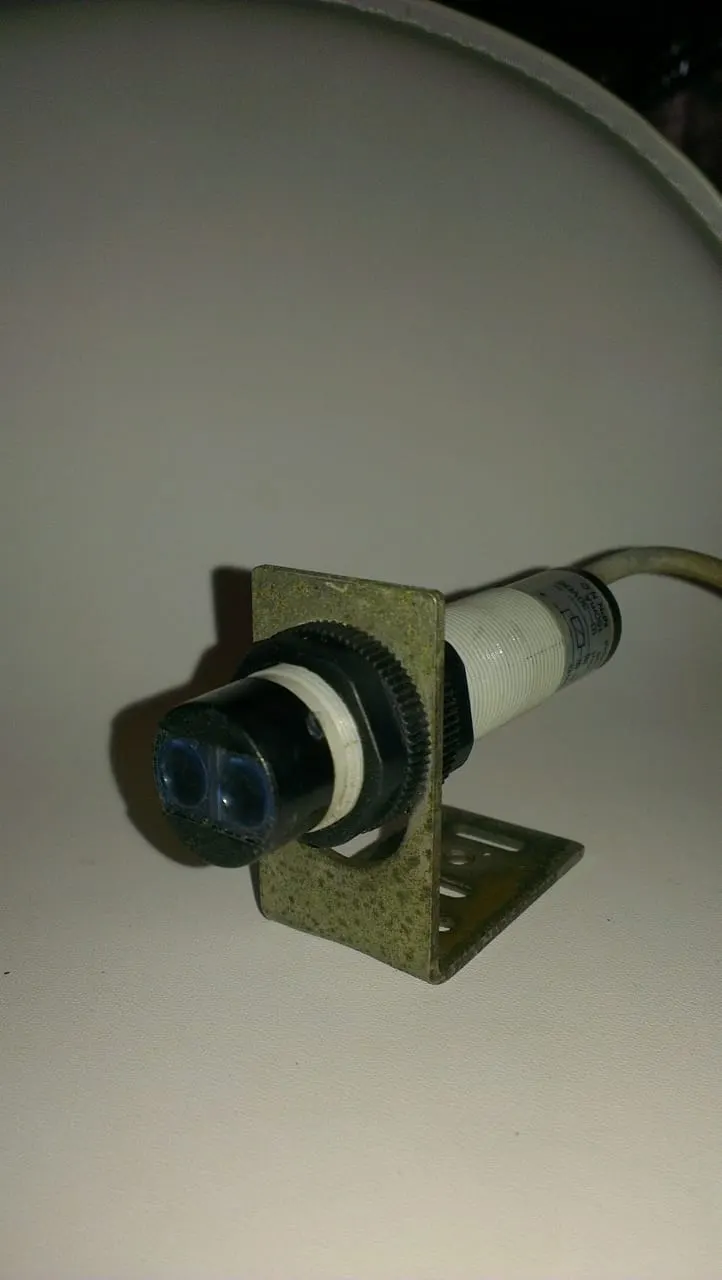
Infrared sensor that stops the gate if something crosses
Get a quoteNo published prices: every project is different. Message us on WhatsApp with what you need and we will send you a quote.
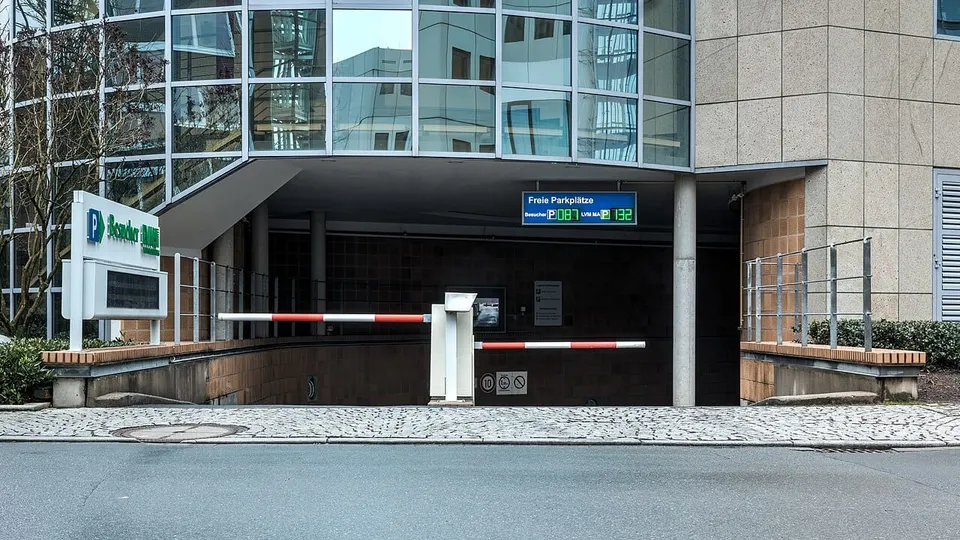
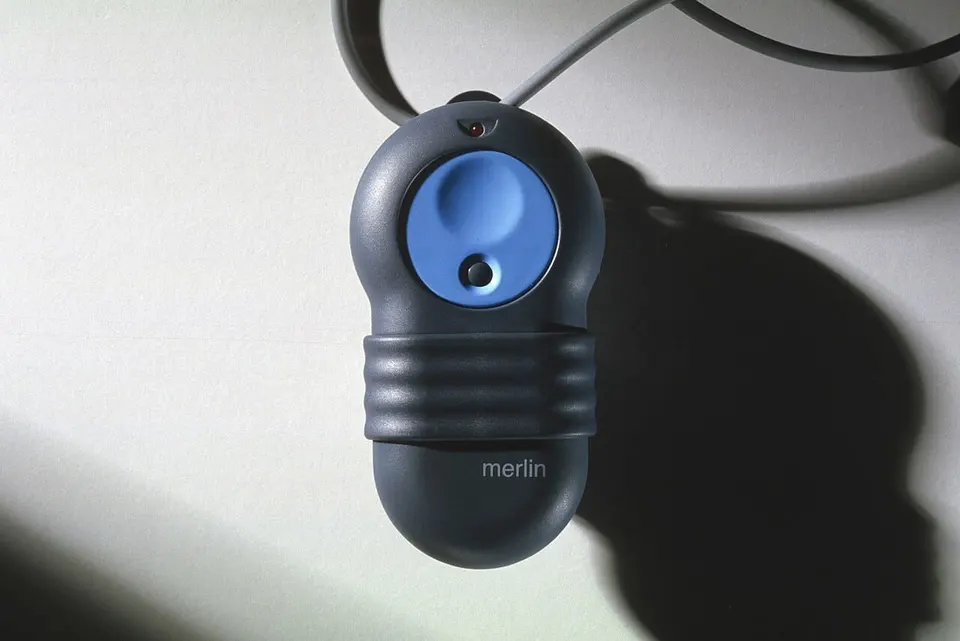
At the entrance to a gated community (residencial) or an apartment tower, a residential barrier is usually enough: it opens with the resident's remote, a tag on the windshield or a button in the guardhouse. At shopping plazas, clinics, universities and company parking lots, where hundreds of cars come and go every day, you need a continuous-duty barrier, with a motor that doesn't overheat and faster opening so lines don't build up. And if the entrance has a low ceiling, as in an underground parking garage, the answer is a folding arm barrier, which bends as it rises.
To choose, we measure each lane's width, the clearance if there's a ceiling, the space for the guardhouse and the path cars take. Whenever possible, we recommend separate entry and exit lanes, each with its own barrier.
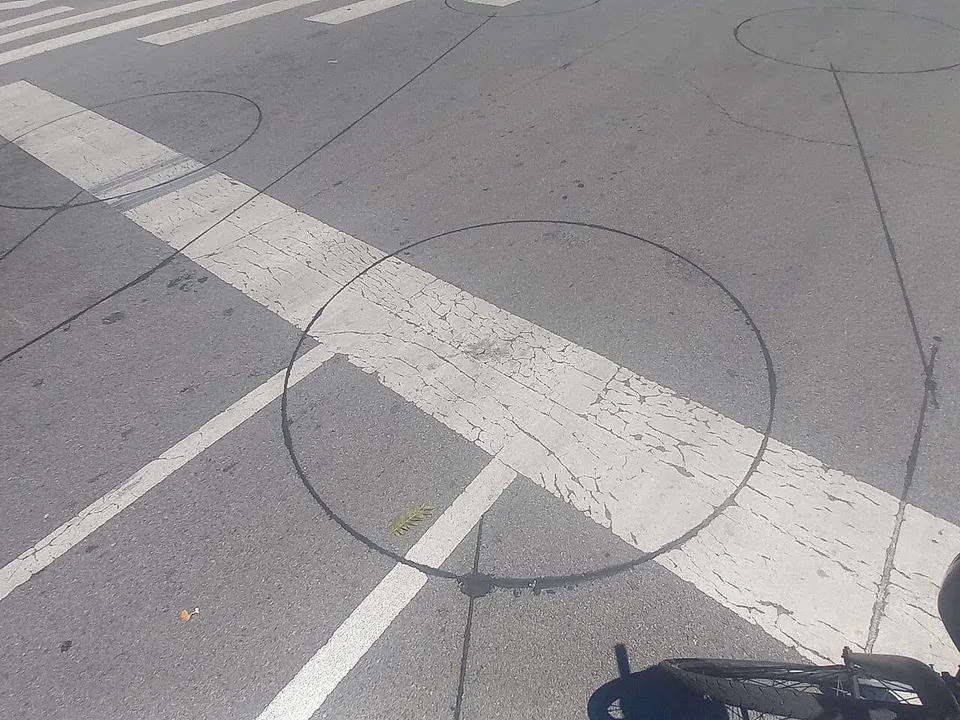
A properly installed barrier has at least one safety device. A loop detector, a wire set in a groove in the pavement, senses the metal mass of the vehicle and won't let the arm come down while the car is over it. A photocell does something similar with an infrared beam, and it also detects people. Many entrances use both. The loop can also make the barrier open on its own for exiting cars, or close as soon as a car has passed.
The most convenient option for residents and employees is a UHF tag: a sticker on the windshield that a reader picks up at a distance, so the driver doesn't have to stop or look for a remote. Management can deactivate the tag of anyone who has moved out or no longer works at the company. For visitors, it's combined with an intercom at the guardhouse and cameras that record license plates. In paid parking, the barrier takes its signal from the ticket or card system.
Barriers have a manual release to raise the arm when the power goes out, and they can be connected to backup power or to the site's generator or inverter. Because they cycle many times a day, we recommend regular maintenance of the spring, the arm, the loops and the readers. The cost of each project depends on the number of lanes, the type of barrier and the access control accessories; message us on WhatsApp to schedule a site survey.
A parking barrier is built to run all day and usually opens faster. A residential barrier is designed for fewer cycles, like the entrance to a gated community or a tower.
With a properly installed loop detector or photocell, the arm won't come down while a vehicle is underneath. That's why we always recommend at least one.
With a windshield tag picked up by a long-range reader, or with a card at a reader next to the lane.
We pour a concrete pad for the cabinet and, if it includes a loop detector, make a thin cut in the asphalt or concrete that is then sealed.